

 IBA editorial team
 On 22 January 2026, the Adaptable Building Conference took place at the Nieuwe Instituut in Rotterdam under the guiding question: “What if buildings could adapt to our changing needs and requirements over time?” A panel moderated by Claire Brodka addressed this question from the perspective of users, focusing on the realities of living and working today. Under the title “What People Want from Buildings – Changing Needs in Living and Working”, Robert Schmidt III, Mattijs Kaak and Lukas Kauer discussed what people now expect from buildings, why traditional typologies are reaching their limits, and what consequences this has for design, development and regulatory frameworks.
Changing work realities require adaptable buildings
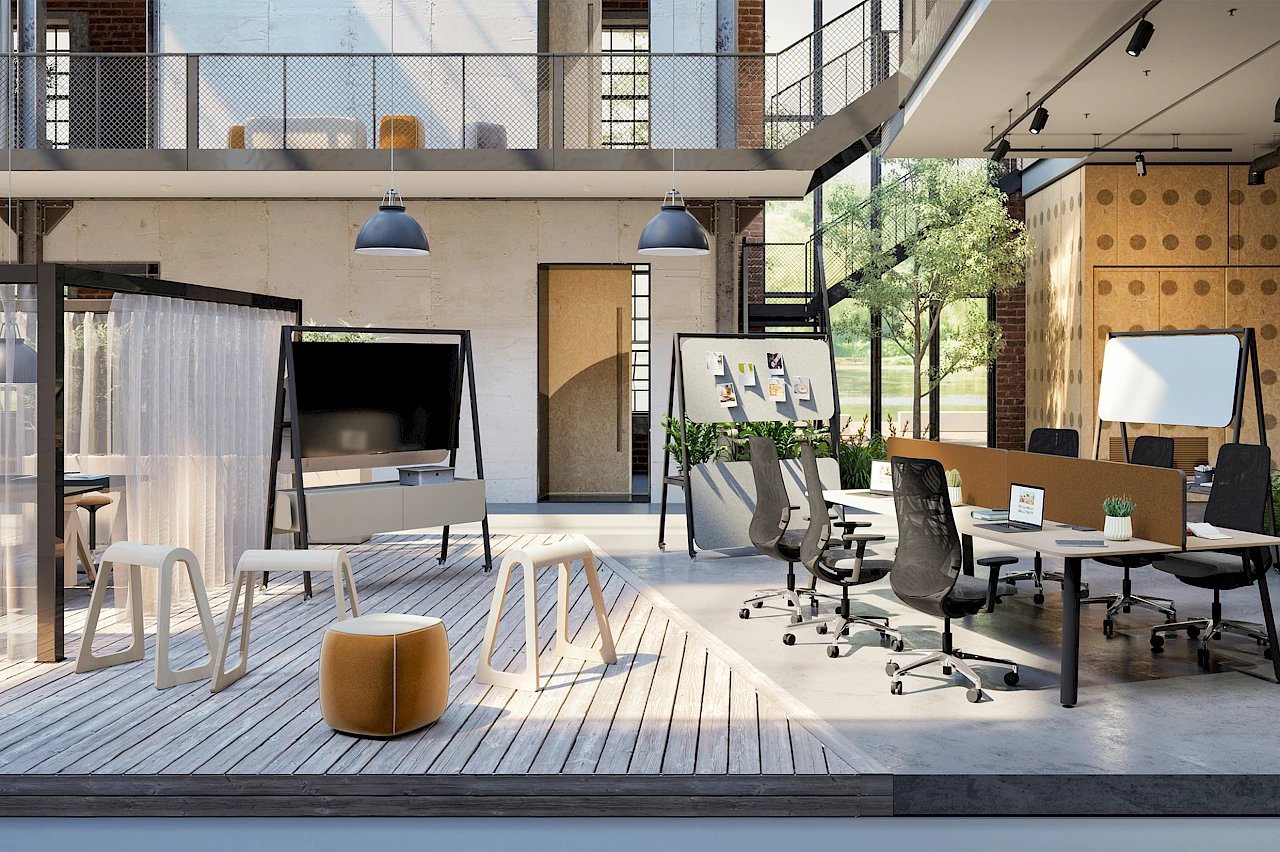
Discussions around building adaptability often highlight striking transformation projects or technological innovation. The panel adopted a more pragmatic approach, placing changing work realities at the centre of the debate. In recent years, the world of work has undergone significant structural change. Hybrid models, project-based collaboration, flexible attendance patterns and interdisciplinary teams increasingly shape everyday organisational life. As a result, workplaces are less clearly defined than they were just a few years ago. Activities shift more rapidly between focused individual work, digital collaboration and in-person exchange. Companies are responding with desk-sharing models, variable space strategies and new spatial formats. What was once the exception has become standard practice in many sectors. These developments create new demands for buildings. It is no longer sufficient to optimise office space for a single, fixed use type. Instead, structures are required that support different modes of working and can adapt at a more fundamental level, for example in circulation cores, building services infrastructure and the regulatory classification of space. Adaptability therefore becomes a strategic issue for real estate development rather than merely a matter of interior design.
Open systems instead of fixed use models
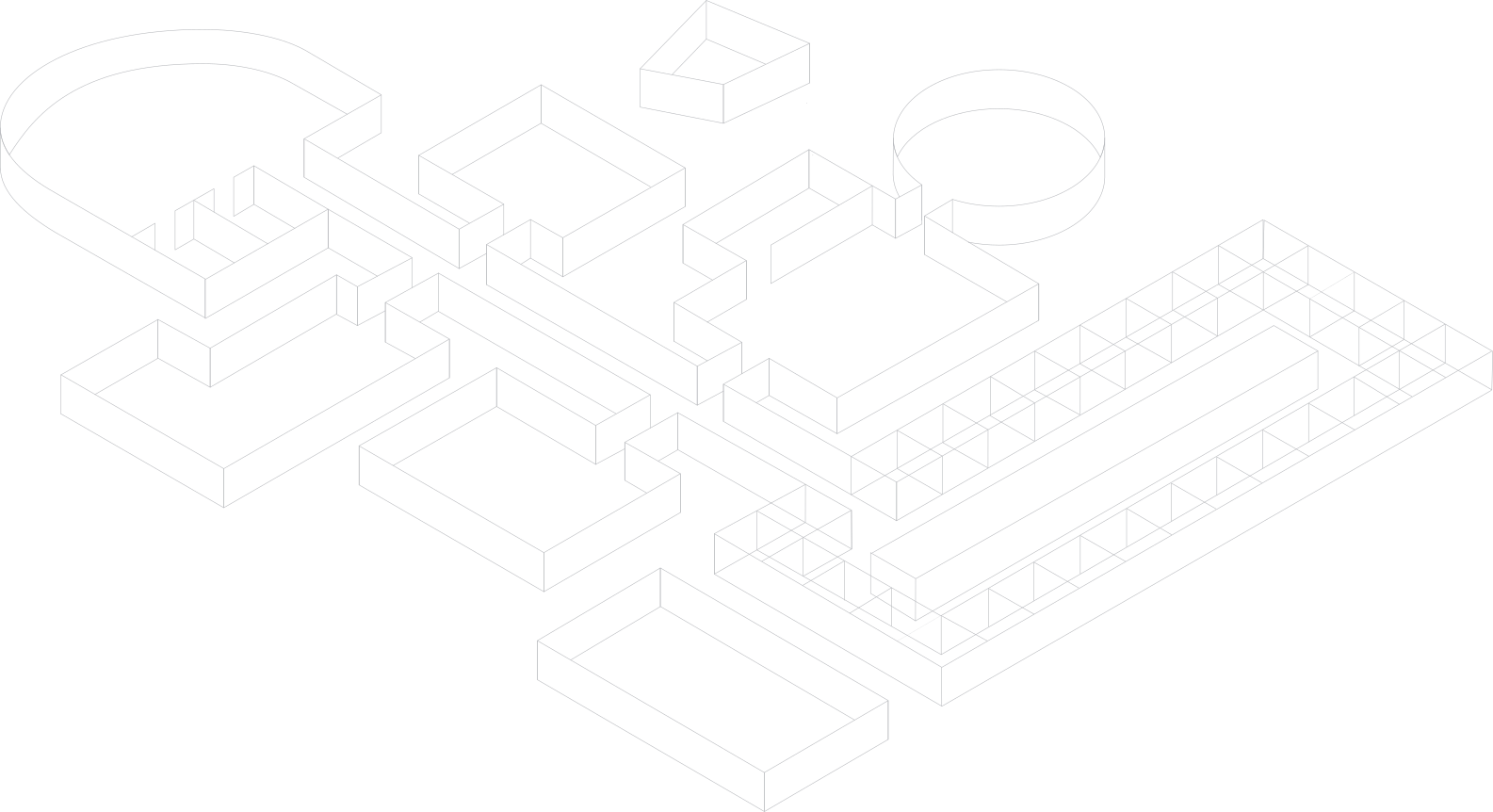
Robert Schmidt III, Professor of Architectural Design at Loughborough University, framed the discussion at a structural level. In his view, buildings should not be understood as finished products but as open systems capable of evolving throughout their lifecycle. The focus is less on individual flexible elements and more on fundamental planning decisions. Load-bearing structures, cores, floor-to-floor heights and technical infrastructure largely determine whether a building can later accommodate new ways of working. Adaptability, he argued, must therefore be embedded early in design processes, planning guidelines and policy frameworks. Schmidt pointed out that many existing buildings do not fail due to a lack of structural quality but because of overly specific design assumptions. When work models change faster than buildings can respond, a structural mismatch arises that may ultimately lead to vacancy or costly refurbishment.
Work environments between efficiency and experience
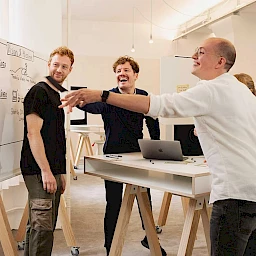
Mattijs Kaak, Founding Partner of Ditt Officemakers, contributed a practice-based perspective on workplace design. Companies today face the challenge of redefining the purpose of the office. In times of hybrid work, physical presence is no longer self-evident and must provide clear added value. From his experience, aspects such as comfort, quality of stay and diversity of use are gaining importance. Work environments should enable different modes such as concentrated individual work, collaborative project work and informal interaction. As a result, patterns of space use become more complex and dynamic. According to Kaak, flexible work models cannot rely solely on organisational policies; they require appropriate spatial conditions. Buildings must therefore be designed to accommodate varying occupancy rates, changing team sizes and new working formats without requiring fundamental structural alterations.
Living and work spaces in transition
Lukas Kauer, founder of the Concept and Venture Studio Fragile, broadened the discussion by addressing housing, particularly where living and working overlap spatially. Phases of working from home, temporary project work or self-employment mean that residential spaces are increasingly used in multifunctional ways. Kauer referred to research initiatives such as the Adaptable Home Survey, which systematically examined user expectations. The findings indicate that many people seek spaces that can adapt over the course of their lives, for example in response to changing household sizes or evolving work patterns. In this context, prefabricated or system-based solutions that simplify refurbishment or enable the circular use of building components are gaining importance. Adaptability thus becomes not only a design question but also a matter of construction systems and long-term material strategies.
Implications for planning and development
Overall, the discussion made clear that adaptability is not solely a design challenge. It affects development models, valuation systems and regulatory frameworks alike. Properties are still frequently designed around clearly defined use types. When those uses change, significant adjustment costs can arise. For planners, this means working more consistently with robust, use-neutral structures. Developers must consider how long-term flexibility can be integrated into business models. At a policy level, the question is how regulations can enable change while maintaining planning certainty.
The panel underscored that the world of work, in particular, will continue to evolve at pace. Buildings capable of absorbing this dynamism are likely to become a strategic asset for companies, cities and investors alike.
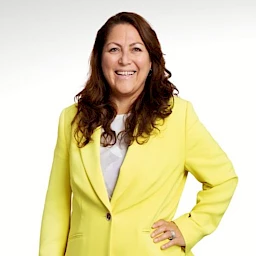
Robert Schmidt III is Professor of Architectural Design at Loughborough University in the United Kingdom. His research focuses on adaptable architecture, flexible building systems and future-oriented design strategies. He explores how adaptability can be integrated into planning processes, regulatory frameworks and spatial concepts. Further information: https://www.lboro.ac.uk/
Mattijs Kaak is Founding Partner of Ditt Officemakers in the Netherlands. The company develops and delivers work environments using a design-build approach. Kaak is responsible for the company‘s commercial and creative direction and focuses on hybrid workplace concepts that combine flexibility, user comfort and organisational requirements. Ditt Officemakers is a certified B Corp and a member of the Studio Alliance. Further information: https://www.ditt.nl/
Lukas Kauer is founder of the Concept and Venture Studio Fragile. He initiates and leads research and development projects in the field of adaptive and circular living and working concepts. His initiatives include the Adaptable Home Survey as well as product and system developments for flexible interior design. Further information: https://www.panels.systems/
The panel was moderated by Claire Brodka, Managing Editor at DAAily, which includes platforms such as ArchDaily, Architonic and Designboom. In her role, she oversees editorial content and international professional debates on architecture and design. Further information: https://www.clairebrodka.com/
The Adaptable Building Conference is a one-day professional symposium dedicated to adaptable building. Its inaugural edition took place on 22 January 2026 at the Nieuwe Instituut in Rotterdam. The event brought together international experts from architecture, planning, real estate, policy and industry to discuss flexible, circular and future-oriented building and spatial concepts. Further information: https://www.adaptablebuilding.club/
Cover photo: @Febrü