

 IBA editorial team
 The office of the future must offer more than just a place to work. It needs to be a destination where people enjoy coming together, can focus effectively and feel comfortable. Lighting plays a crucial role in this. Yet lighting is still frequently underestimated when planning modern work environments. Ahead of his presentation at the Wherever Whenever – Work Culture Festival, lighting and workplace expert Heiner Hans explains why lighting is far more than a technical necessity and how it contributes to productivity, wellbeing and the attractiveness of the office.
Mr Hans, what role does lighting play in the work environments of the future?
People need to feel comfortable in modern office environments. One of the most important factors in achieving this is lighting. What many people do not realise is that light is not merely a prerequisite for seeing well. It can inspire, motivate and activate people. In other words, light has not only visual effects but also emotional and biological ones.
Why do you think lighting is still underestimated?
Unlike obvious disruptive factors such as noise, deficiencies in lighting often do not become immediately apparent. Their effects tend to emerge only after a long day in the office in the form of what are known as asthenopic symptoms. Signs such as burning eyes, eye redness, dry eyes, sensitivity to light or flicker are therefore rarely associated with office lighting. Even poor sleep quality can be caused, at least in part, by unsuitable lighting conditions.
Can good lighting encourage office presence?
Absolutely. Organisations that ignore the impact of good lighting on workplace wellbeing and continue to rely on outdated lighting systems risk employees perceiving the office as an unsuitable place to work. The result is that people prefer working from home, and the personal interaction and collaboration that organisations value so highly begin to suffer. In the worst-case scenario, we may even see “zombie buildings” with increasingly deserted office spaces.
What exactly does user-centric lighting mean?
User-centric lighting means placing people’s needs consistently at the heart of the process – from concept development and planning through to installation and commissioning. This is one of the objectives of the Lighting System Design process described in the technical specification DIN SPEC 67503. However, what is often overlooked is that the operational phase also requires ongoing attention. Work tasks and workplace configurations change over time. For this reason, employers should regularly assess whether their lighting solution still meets actual user requirements.
Where do the biggest planning mistakes occur?
The main problem is that a large proportion of lighting installations are not professionally planned at all. The requirements of modern offices have become so project-specific that off-the-shelf solutions no longer work. Professional planning expertise is therefore essential. However, even the best design cannot deliver the desired outcome if products of questionable quality are used. Given the significant differences in quality across the market, careful comparison against the specified performance criteria is becoming increasingly important. The cheapest solution is not always the best one.
What should be considered in lighting design when it comes to concentration, creativity and collaboration?
Forward-looking office concepts create differently designed zones for different activities, each with its own appropriate lighting atmosphere. Tasks that require high levels of concentration depend on standards-compliant lighting that supports efficient, fatigue-free work. In creative areas, technical-looking luminaires can feel out of place. Decorative lighting designs are often better suited to the more residential character of these spaces. For collaboration – whether in meetings, presentations or discussions – flexible lighting is ideal, preferably through easy-to-use scene control systems that can be adapted to different situations.
What is one key insight about lighting that every workplace decision-maker should take away from the Wherever Whenever – Work Culture Festival?
The right lighting is essential for productivity, atmosphere and wellbeing in the office. Successful lighting solutions emerge when company representatives, architects, lighting and electrical consultants, and workplace specialists work together across disciplines and place users’ needs firmly at the centre of their efforts.
Mr Hans, thank you for talking to us.
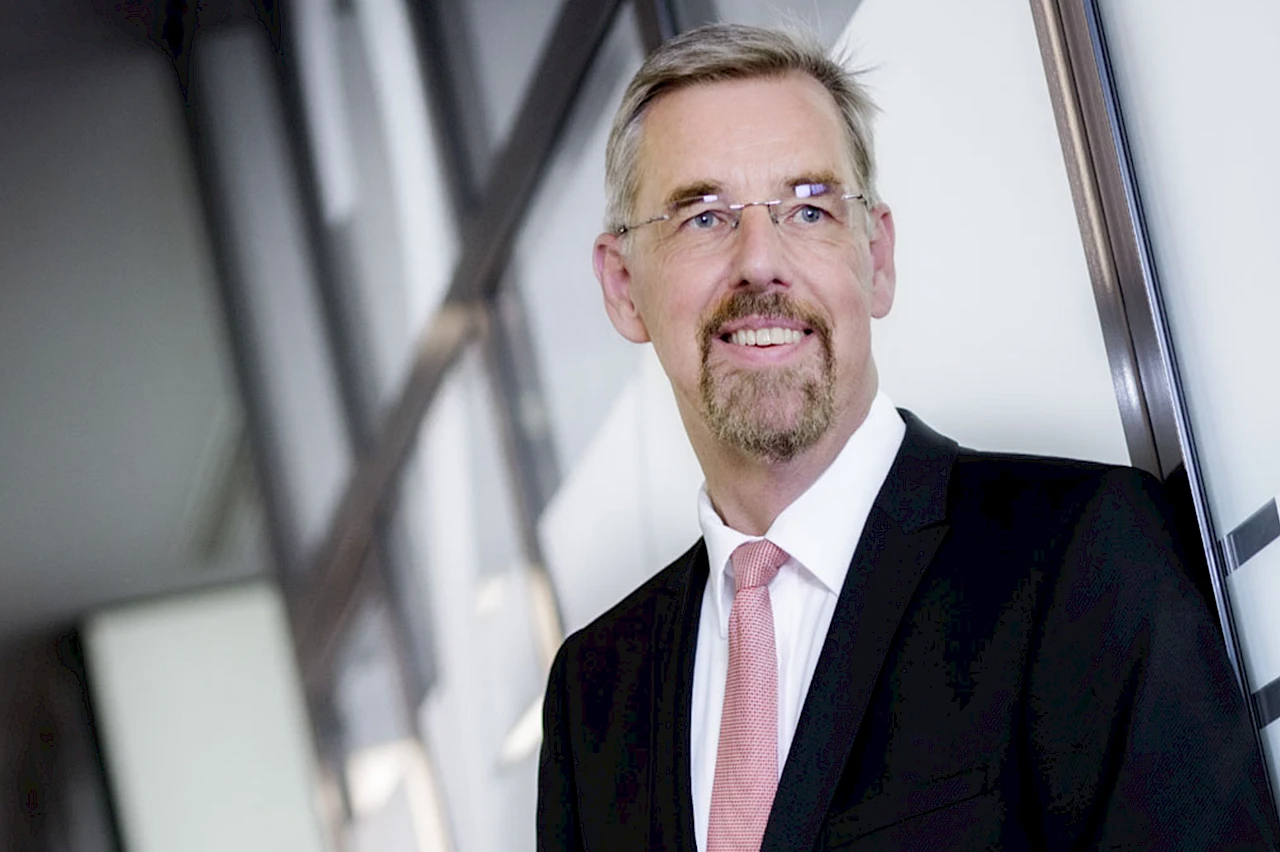
Dipl.-Ing. Heiner Hans studied Electrical Engineering at the Technical Universities of Dortmund and Braunschweig. From 1985 to 2023, he worked for TRILUX in Arnsberg, where he was responsible for Technical Communication, Application Engineering and Operational Marketing. From 2011 onwards, he headed the TRILUX Academy, overseeing several locations across Europe and promoting knowledge transfer in the fields of professional lighting and lighting design. Since his retirement, Heiner Hans has continued to focus on lighting quality, user-centred lighting and modern work environments. As a lecturer and author, he shares practical expertise on how lighting influences health, wellbeing and performance, and how it can contribute to creating attractive and effective workplaces. At the Wherever Whenever – Work Culture Festival, he will discuss the importance of user-centred lighting for the workplaces of the future.
Cover photo: ©TRILUX